Tom Hanks Warns Disney Could Use AI to Recreate Woodys Voice
Tom Hanks, who voices Woody in Pixar’s Toy Story franchise, has publicly expressed concern that Disney could use artificial‑intelligence (AI) tools to generate the character’s voice for future films without the actor’s participation. The actor made the comments during a press event in Washington after Toy Story 5 opened to a franchise‑record worldwide gross of $312 million, according to Variety.
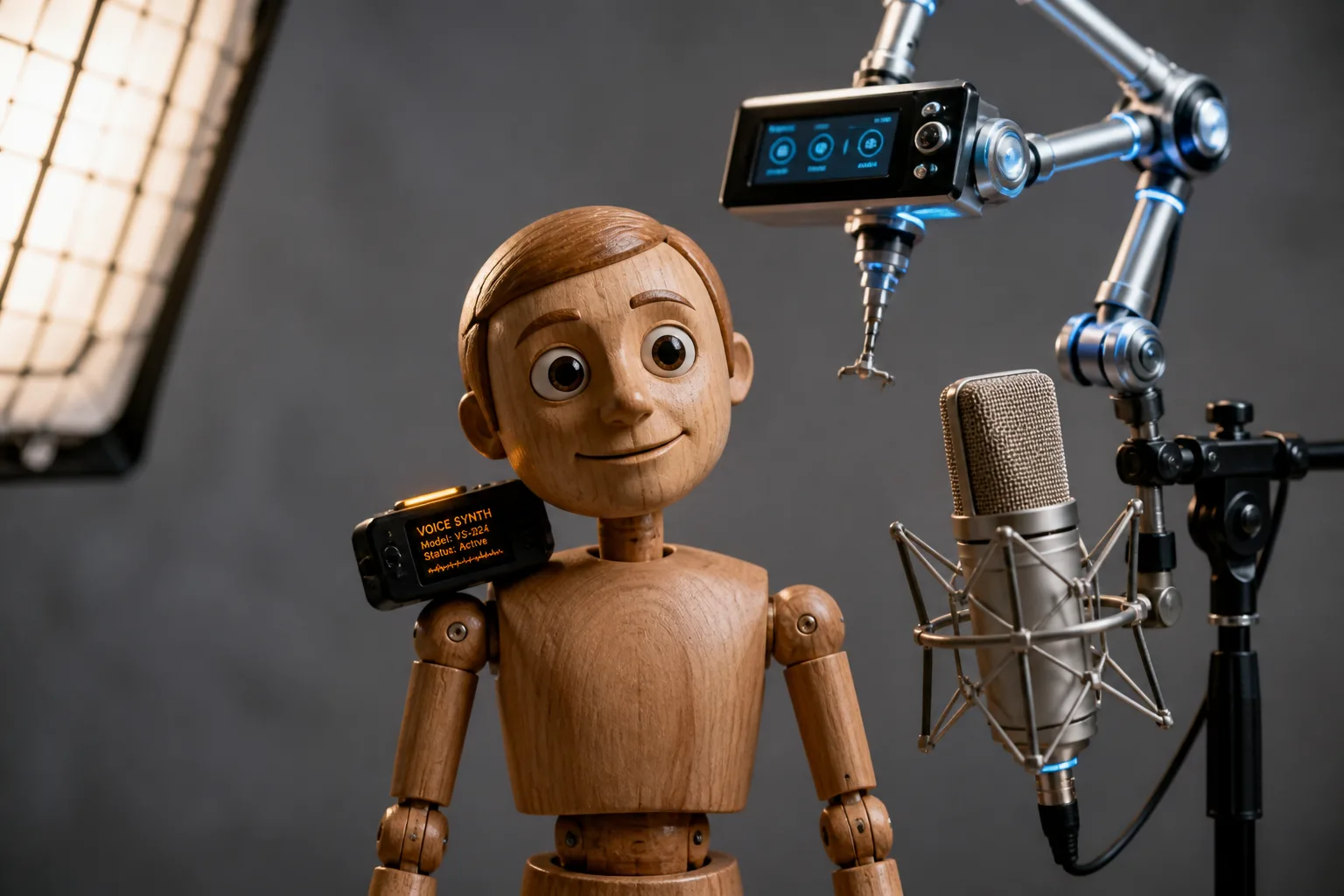
Hanks said that the large amount of dialogue he has recorded for the series could be used to create a digital replica of his voice. He noted that every line spoken by Woody is stored on digital media and could be assembled by an AI system to produce new performances. "If you’re gonna do another Toy Story, it better be worthwhile," Hanks told reporters. "Time is undefeated," he added, emphasizing that an AI‑generated voice could continue to appear on screen long after an actor’s death.
The actor’s remarks come amid a broader industry debate about the use of deep‑fake technology and voice cloning. Hanks, who has spoken publicly about the implications of AI in entertainment, said the prospect of an AI‑generated Woody is "a scary thought." He echoed similar concerns voiced by Tim Allen, who provides the voice of Buzz Lightyear. Both actors highlighted the creative and legal questions that arise when a company can replicate a performer’s vocal performance without their direct involvement.
Hanks also referenced his experience working on the 2004 film The Polar Express, which used extensive digital data to create a realistic likeness of actors. He said that the technology has grown "a billion‑fold since then" and is now present in many media productions. The actor warned that the ability to recreate a performer at any age could blur the line between authentic and synthetic content, raising both artistic and regulatory challenges.
Legal frameworks are evolving in response to these developments. As of 2026, at least 45 U.S. states have enacted laws covering AI voice cloning, sexual deepfakes, or election deepfakes, and the federal TAKE IT DOWN Act provides a baseline for non‑consensual use of a person’s likeness. Industry observers note that the entertainment sector is still determining how to balance the benefits of AI‑generated content with the rights of performers.
Toy Story 5, which premiered in Los Angeles on June 9 and opened nationwide on June 19, continues to perform strongly at the box office. The film’s success has reignited discussions about a potential sixth installment, but Hanks said he would only return if the project met high creative standards.
The conversation illustrates the growing intersection of AI technology and creative production in Hollywood. While AI tools can offer new possibilities for storytelling, actors and studios must navigate the ethical, legal, and artistic implications of using synthetic performances.