Pakistani Filmmaker Questions Industrys Readiness for Global Streaming Platforms
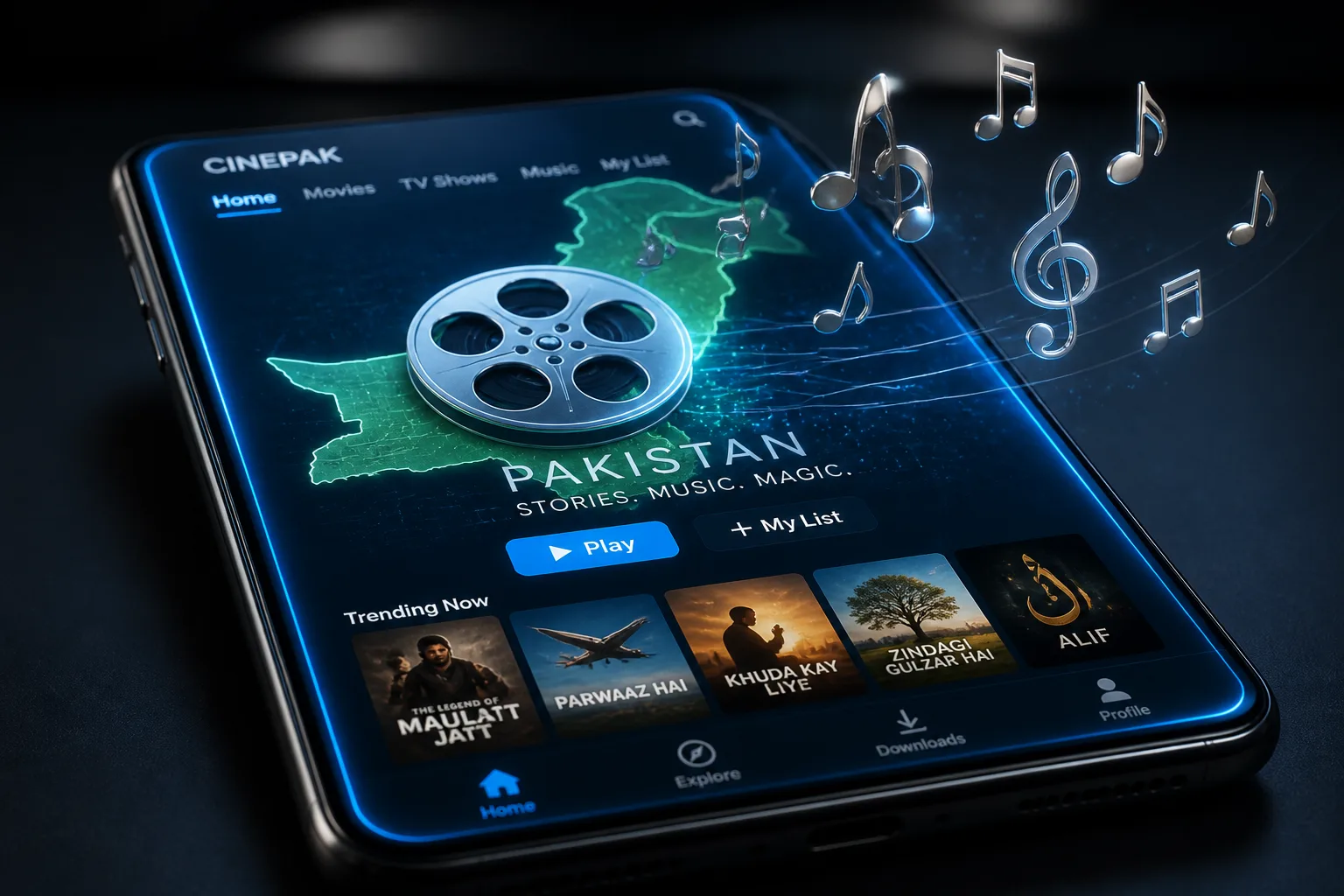
On July 16 2026, Pakistani filmmaker Shamoon Abbasi released a video on Instagram that called into question whether the country’s entertainment sector is equipped to meet the technical and narrative standards demanded by global streaming services such as Netflix. In the clip, Abbasi noted a persistent lack of “global stories” and technical expertise in Pakistani productions.
The filmmaker also addressed comments from Salman Iqbal, CEO of ARY Digital, who said the network had been approached by Netflix for streaming rights but declined the offer to focus on building a domestic platform. Abbasi described the idea of ARY launching its own service as “impractical,” citing the existence of ARY’s free‑to‑view channel, ARY Plus, and arguing that a Pakistani streaming platform would need support from multiple channels and, more importantly, content that meets international quality standards.
He recalled the technical specifications he received in 2017 when attempting to collaborate with Netflix. Those requirements included high‑dynamic‑range (HDR) workflows, colour science, and sound‑mixing standards that are not yet common in Pakistani productions.
Abbasi also tackled rumors that Netflix’s regional headquarters in India had decided not to platform Pakistani content. He said senior industry figures such as Mehreen Jabbar and Faysal Quraishi had raised the issue, but he suggested the core problem is technical readiness rather than policy. He pointed out that Netflix has commissioned a drama for the past four years, featuring a large cast, yet no trailer has been released because the production is still being brought up to the platform’s standards.
In comparing domestic and international offerings, Abbasi noted that Pakistani dramas tend to be “family‑centric” and confined to familiar storylines, whereas Netflix’s catalogue includes shows that tackle political conflicts, social issues, and other “big” themes. He argued that Pakistani content is popular domestically because viewers can relate to the narratives, but those same stories would not resonate with international audiences.
He cited a shortage of best‑selling novels and literary works in Pakistan as a root cause of the limited pool of stories available for television. Abbasi said the industry’s focus on star power has led to a mindset that a drama’s value is tied to its cast rather than its narrative.
The filmmaker also pointed out that Pakistani audiences are accustomed to watching local dramas for free on YouTube, which makes it difficult to convince them to pay for content on a subscription service.
In the same week, federal minister for planning and development Ahsan Iqbal announced that the government was in talks to bring Pakistani content to Netflix while simultaneously developing an indigenous streaming platform. Abbasi welcomed the announcement but said it would only be meaningful if the industry raised its standards during the process.
Actor Usama Khan also weighed in on Monday, echoing Abbasi’s view that the world does not revolve around family‑centric content. He said international streaming networks would want “gripping true‑crime, political thrillers and deep dives into the complexities of our institutional systems.”
The comments from Abbasi, Iqbal, and Khan highlight a broader debate about the position of Pakistani media in the global streaming ecosystem. While Pakistani productions enjoy strong domestic viewership, the industry faces challenges in meeting the technical and narrative expectations of platforms like Netflix. The government’s recent outreach to Netflix suggests a willingness to address these gaps, but the success of such efforts will depend on the industry’s ability to produce high‑quality, globally relevant stories and to adopt the technical standards required by international distributors.
If Pakistani content is to reach global audiences, producers will need to invest in technical training and storytelling workshops, and broadcasters must collaborate with international platforms to meet distribution standards. The government’s initiative could provide a framework for such collaboration, but industry stakeholders must act swiftly to raise production quality.